




Search behavior has changed dramatically in recent years. Users are no longer typing short, robotic keywords into search engines. Instead, they are asking complete questions like, “What is the best digital marketing strategy for small businesses?” or “How can I rank my website on AI search tools?”
With the rise of AI assistants, voice search, and generative search engines, Conversational SEO has become one of the most critical digital marketing strategies in 2026. Search engines now focus on understanding user intent, context, and natural language rather than just matching keywords.
Conversational SEO is the practice of optimizing your content to answer real human questions in a natural, conversational way so that it can be easily understood and selected by AI-powered search engines and voice assistants.
This blog explores the best strategies for conversational SEO in 2026, helping businesses stay visible, relevant, and competitive in the era of AI-driven search.
What is Conversational SEO?
Conversational SEO is an advanced form of search optimization that focuses on:
- Natural language queries
- Question-based searches
- Voice search
- AI-generated search results
- Chatbot and assistant responses
Unlike traditional SEO, which targeted short keywords such as “digital marketing services”, conversational SEO targets long-form queries like:
- “Which digital marketing service is best for startups?”
- “How do I improve my website ranking using AI?”
- In 2026, conversational SEO is closely linked with:
- AI search engines
- Voice assistants
- Smart devices
- Chat-based discovery
Why Conversational SEO Matters in 2026
Rise of AI Search Engines
AI systems summarize answers instead of showing only blue links. Websites that provide clear, structured, and conversational answers are more likely to be featured.Voice Search Growth
Users speak differently than they type. Optimizing for voice search requires natural phrasing and full-sentence responses.Zero-Click Searches
Many queries are answered directly on search results. Optimizing for featured snippets and AI answers increases brand visibility even without clicks.User Experience Focus
Search engines prioritize content that satisfies user intent quickly and clearly.Personalized Search Results
AI engines analyze user history and context, rewarding content that is accurate, authoritative, and helpful.
Best Strategies for Conversational SEO in 2026
1. Optimize for Natural Language Queries
Content must match how humans speak, not how machines interpret keywords. Instead of forcing exact keyword phrases, focus on conversational tone and question-based structures.
Example:
Traditional: “best SEO tools”
Conversational: “What are the best SEO tools for small businesses?”
Use:
- Who
- What
- When
- Where
- Why
- How
throughout your content.
2. Focus on Search Intent Over Keywords
Search engines now classify intent into:
- Informational
- Navigational
- Transactional
- Commercial
For conversational SEO, informational intent is dominant. Content should solve problems, explain concepts, and guide users clearly.
Instead of targeting only keywords, optimize for:
- User problems
- User goals
- User context
3. Create Question-Answer Content
AI and voice search tools prefer content formatted as direct answers.
Effective formats include:
- FAQs
- How-to guides
- Step-by-step explanations
- Definition sections
Use short paragraphs and concise answers immediately after questions.
4. Structure Content for AI Readability
AI systems prefer well-structured content. This means:
- Proper heading hierarchy (H1, H2, H3)
- Bullet points and numbered lists
- Clear topic segmentation
- Summarized explanations
Structured content helps AI extract accurate answers for users.
5. Implement Schema Markup
Schema markup helps search engines understand the context of your content.
Important schema types for conversational SEO include:
- FAQ schema
- How-to schema
- Article schema
- Organization schema
Schema increases your chances of appearing in:
- Featured snippets
- AI answer boxes
- Voice search results
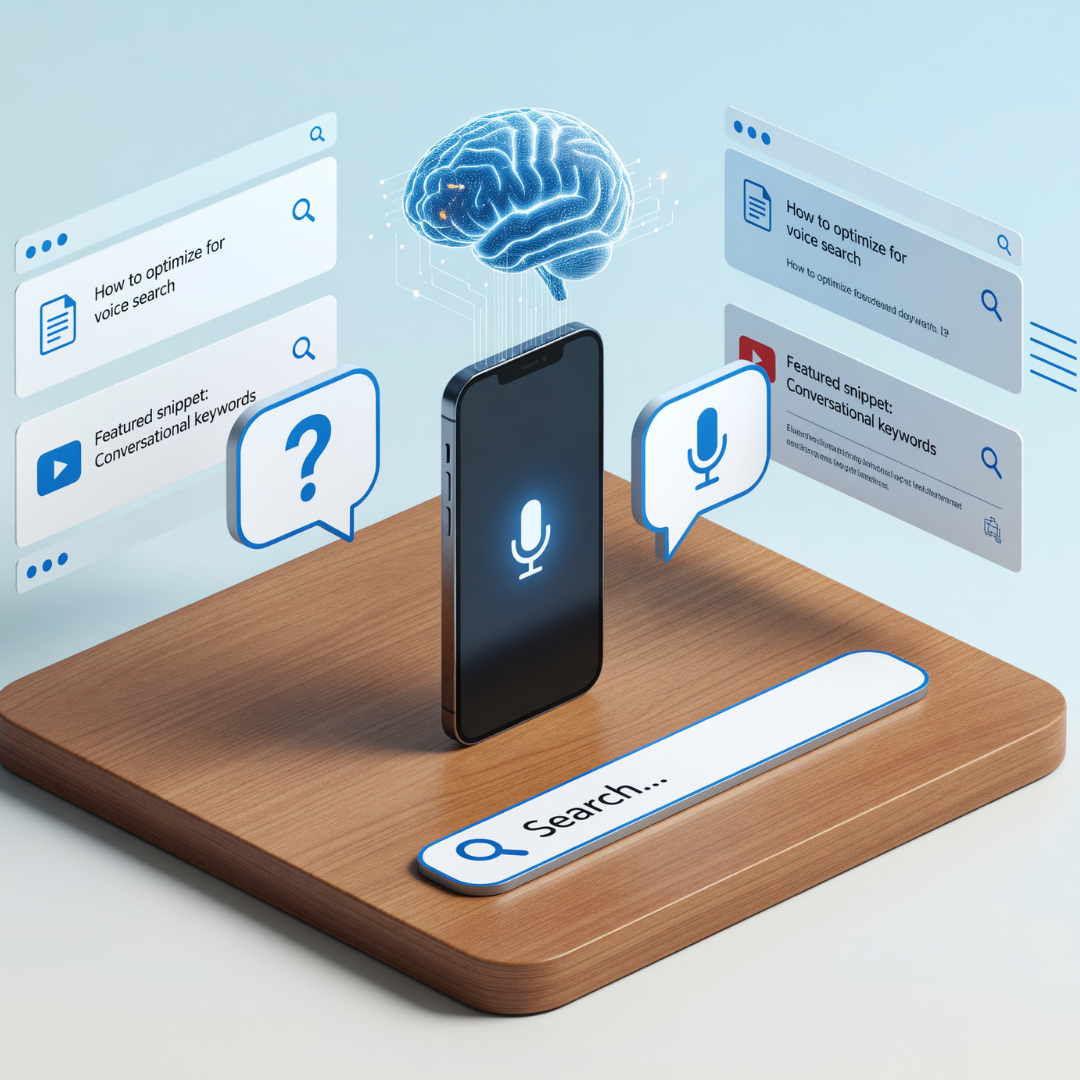
6. Optimize for Voice Search
Voice searches are usually:
- Longer
- More conversational
- Local in nature
Best practices:
- Use conversational phrases
- Include location-based keywords
- Optimize for mobile speed
- Provide short and precise answers
Example:
“Which is the best digital marketing agency near me?”
7. Build Topical Authority
Conversational SEO requires trust. AI systems prioritize content from authoritative sources.
To build topical authority:
- Publish in-depth guides
- Cover related subtopics
- Interlink related content
- Update content regularly
Being consistent within a niche improves your visibility in AI-driven results.
8. Optimize for Featured Snippets
Featured snippets are prime real estate for conversational SEO.
Best formats:
- Definitions
- Lists
- Tables
- Step-by-step processes
Place concise answers within the first 100 words after a heading.
9. Improve Content Freshness
AI engines favor updated and relevant content.
Strategies include:
- Updating old blogs
- Adding current statistics
- Revising outdated examples
- Improving readability
Fresh content signals accuracy and reliability.
10. Prioritize User Experience
Conversational SEO depends on clarity and usability.
Focus on:
- Mobile-friendly design
- Fast page load time
- Easy navigation
- Simple language
Good UX helps retain users and increases content credibility.
Role of AI in Conversational SEO
AI tools are now both the audience and the gatekeeper of content. Websites must satisfy:
- Human readers
- AI interpreters
Successful conversational SEO content should be:
- Contextually accurate
- Semantically rich
- Clearly structured
- Helpful and complete
AI rewards content that answers questions better than competitors.
Future of Conversational SEO
By 2026 and beyond:
- Search engines will behave more like personal assistants
- Users will expect instant, personalized answers
- Websites will compete for AI citations, not just rankings
Conversational SEO is not optional anymore. It is the future of discoverability.
FAQs
Q1. What is conversational SEO?
Conversational SEO is the process of optimizing content for natural language queries, voice searches, and AI-driven search results by focusing on human-like questions and clear answers.
Q2. How is conversational SEO different from traditional SEO?
Traditional SEO focuses on short keywords and rankings, while conversational SEO focuses on user intent, long-form questions, and AI-generated responses.
Q3. Why is conversational SEO important in 2026?
Because AI search engines and voice assistants are becoming the primary way users access information. Content must be optimized for conversation rather than keywords alone.
Q4. How can I optimize content for voice search?
Use natural language, question-based headings, short answers, and local keywords while ensuring mobile optimization and fast loading speed.
Q5. Does schema markup help conversational SEO?
Yes. Schema helps AI systems understand your content better and improves chances of appearing in featured snippets and answer boxes.
Q6. What type of content works best for conversational SEO?
FAQs, how-to guides, tutorials, and explanatory blogs work best because they directly address user queries.
Q7. Can conversational SEO increase website traffic?
Yes. It increases visibility in AI answers, voice search results, and featured snippets, leading to higher brand exposure and organic traffic.
Q8. Is conversational SEO suitable for all industries?
Yes. Any industry that provides information, services, or products can benefit by optimizing for conversational queries.
Conclusion
Conversational SEO in 2026 is no longer an emerging trend it is a fundamental requirement for digital visibility. As search evolves from keyword-based indexing to intent-driven understanding, businesses must adapt their content strategies accordingly.
By focusing on natural language, user intent, structured content, and AI-friendly formats, brands can secure long-term relevance in an increasingly intelligent search ecosystem.
The future belongs to those who answer questions better than anyone else.
Contact Details
If you want to optimize your website for Conversational SEO and AI search visibility, feel free to get in touch:
📞 WhatsApp: https://wa.me/918076393398
📱 Phone: +91 8076393398
📧 Email: digitalinternetm@gmail.com
For customized SEO and AI-optimized content strategies, contact us today.